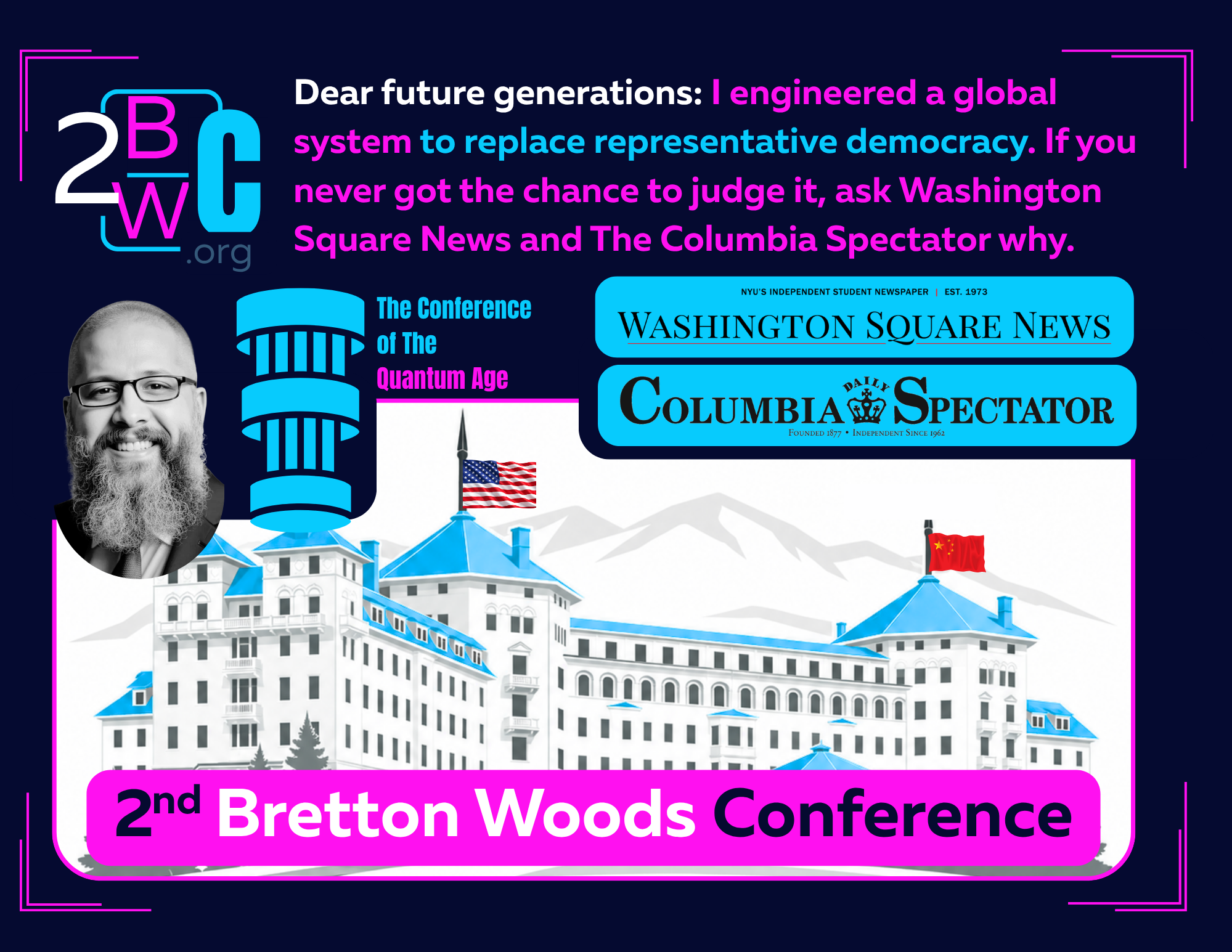
Why a Second Bretton Woods?
Section 00“The next generation will inherit the consequences of America’s national debt. It should also inherit the power to change course.”
The First Bretton Woods organized the Industrial Age. The Second must engineer the Quantum Age.
The first conference was built for a world of factories, physical money, national industries, and institutions recovering from industrial war.
That system helped carry the world through the twentieth century. Then the world went digital.
Money became data. Work crossed borders. Knowledge moved instantly. Artificial intelligence began replacing tasks once reserved for human minds. Yet our political and economic systems remained trapped in arguments inherited from another age.
For nearly two centuries, the world has debated the same two choices:
Capitalism or socialism.
The market or the state.
Private power or government power.
Medallionism begins where that exhausted debate ends.
It is my proposed economic invention for an age in which value, labor, technology, migration, and human participation can no longer be governed by industrial-era categories alone.
But a new economy also requires a new political operating system.
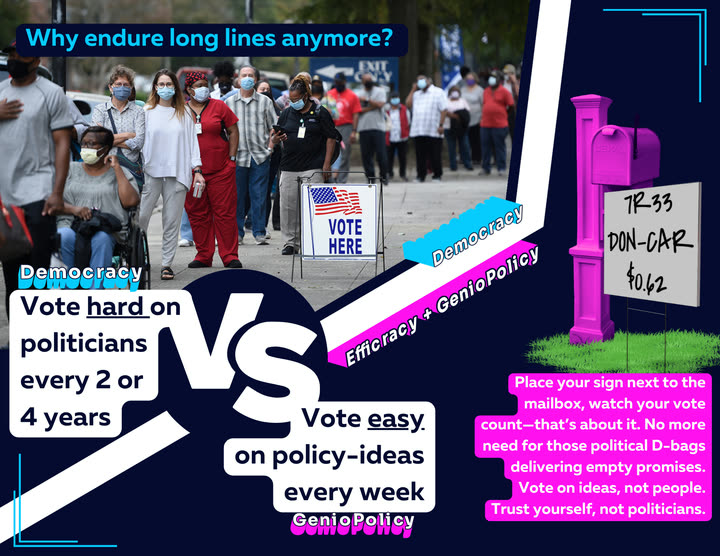
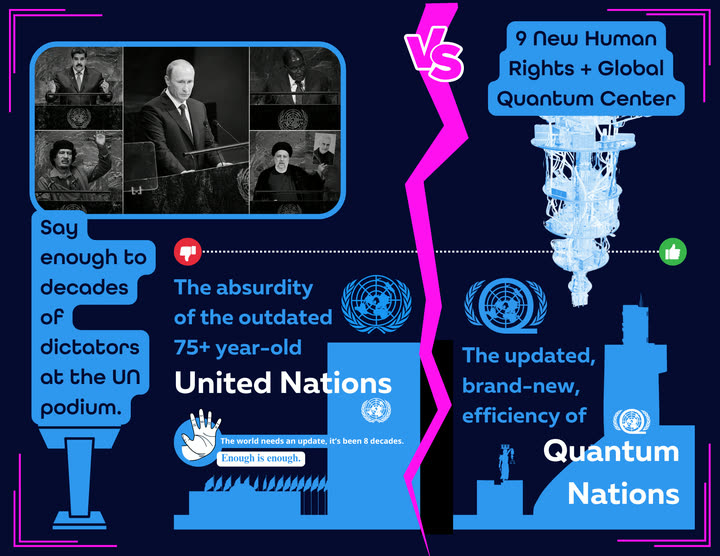
GenioPolicy rethinks how people make public decisions. Efficracy replaces distant representation with continuous participation and accountable execution. Quantum Nations reimagines cooperation among countries facing problems that no nation can solve alone.
These are not separate ideas.
They are parts of a single transition:
From industrial institutions,
through the Digital Age,
into the Quantum Age.
The First Bretton Woods designed the economic architecture of its century.
The Second Bretton Woods must design the operating system of the next one.
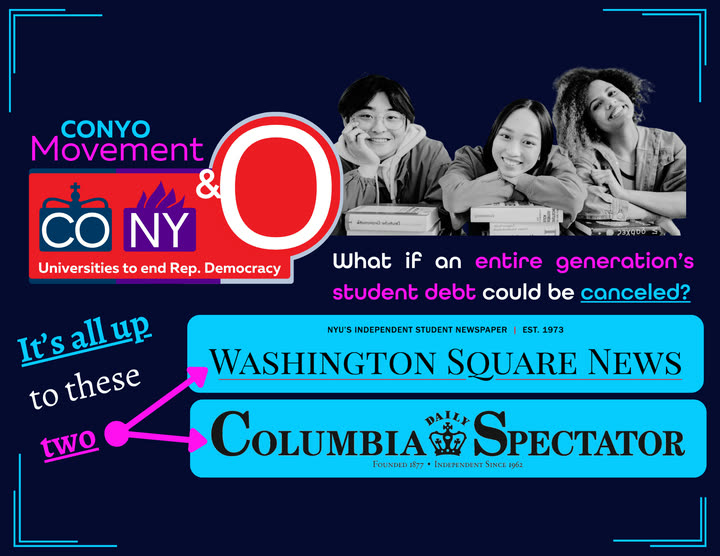
“Everything you have seen will go nowhere if The Columbia Spectator and Washington Square News ignore me waving my hand.”
— Ben Zakar